If you have been following me on LinkedIn, you have seen me challenging the idea that productivity should only be measured by tangible output. We have been led to believe that faster is always better.
But what if that model is outdated?
The old way of measuring productivity treats work like a factory line: the more widgets produced per hour, the better. And, unfortunately, that thinking still lingers with knowledge work, even in jobs where the real value comes from ideas, relationships, and creativity. When speed becomes the ultimate goal, it leaves little room for experimentation, reflection, or recovery.
You may recall this passage from The Fun Habit:
“With intellectual property and innovation now the work product, we are no longer workers operating machines with sprockets and cogs. We are the sprockets and cogs, and our ability to perform is exploited and over-optimized just like the equipment on an assembly line. We have become the machines that now output the goods that create profit for others.”
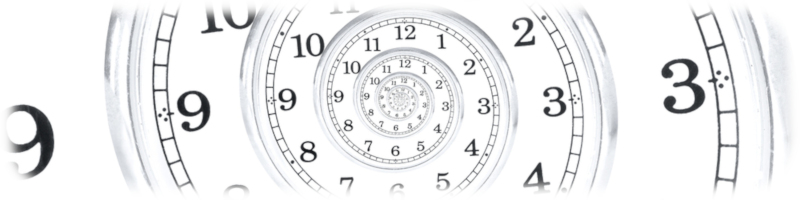
The truth is, though, progress rarely follows a straight line. Natural systems don’t grow in perfect upward graphs. Seasons cycle, tides rise and fall, even our own energy fluctuates throughout the day. Productivity works the same way. Breakthroughs often come after periods of rest or when we give ourselves permission to slow down. Growth, in practice, looks less like a staircase and more like a spiral circling back, dipping down, then rising again with more strength.
This reframing of productivity challenges us to widen what we measure and value. It asks us to celebrate not only our visible output but also the invisible work: the insights gathered, the lessons learned from a failed experiment, the clarity that comes after stepping away. Progress can mean cultivating better questions just as much as producing faster answers.
The bonus to this approach is that when we expand our definition of productivity, we often get better results in the long run. We are more resilient. Our teams are more innovative. Organizations adapt more fluidly. By honoring the natural rhythm of work, we set ourselves up for longer-term success.
Given all this, I’m excited to share with you ideas from creativity strategist Natalie Nixon, who proposes a “cultivation model” of productivity, as well as Eduardo Briceño, who helped pioneer the growth mindset concept with Carol Dweck. Both argue, in different ways, that our long-term growth requires embracing the fast and the slow, rather than clinging to outdated notions of output at all costs.
Leading thought: Eduardo warns against the trap of constant performance. He explains that doing our best all the time isn’t what makes us better; it’s alternating between the performance zone (executing what we know) and the learning zone (experimenting, making mistakes, and reflecting). Without the learning zone, even high performers stagnate. With it, we grow sustainably.
Action to take: Add a “learning lens” to one routine this week. In your next meeting or project, carve out five minutes to ask: What did we learn? What could we try differently next time? Treat it as just as important as your other performance metrics.
Want more? Click here to read my discussion with Eduardo Briceño.
Leading thought: Natalie argues that our inherited definition of productivity is flawed. She proposes an innovative cultivation model instead that values both fast and slow growth, visible output, and invisible percolation. By weaving movement, thought, and rest into intentional rhythms, we create conditions for creativity, innovation, and sustainable success.
Action to take: Experiment with a “micro-rest” this week. Block fifteen minutes to pause with no agenda (and no device!), and notice what ideas surface. Treat rest not as a reward for work, but as part of the work itself.
Want more? Click here to read my discussion with Natalie Nixon.
This quarter, I celebrated two decades of life experience and marriage with my better half.
I’ve summarized what twenty years of marriage have taught me here on LinkedIn.

I continue to support various causes through quarterly contribution, which is being tracked on this scorecard.
If this quarter has a unifying thread, it’s that progress doesn’t come from chasing speed alone. Real growth happens in cycles. It happens in the back-and-forth between doing and learning, sprinting and resting, output and reflection.
I’m still in the early days of building Upcraft Labs, and it would be easy to fall into “the productivity at all costs” trap. But as Natalie Nixon so beautifully illustrates, the real work of building something great often occurs in the invisible spaces: testing ideas, refining systems, learning from what doesn’t work, and giving things time to take root. And, of course, having fun along the way.
Warmly,
Mike Rucker, Ph.D.
P.S. Although the price of The Fun Habit has increased since last quarter, the hardback edition is still available at a deep discount compared to its retail price. If you would like to grab a copy (or gift one), now’s a great time to do that by clicking here.